
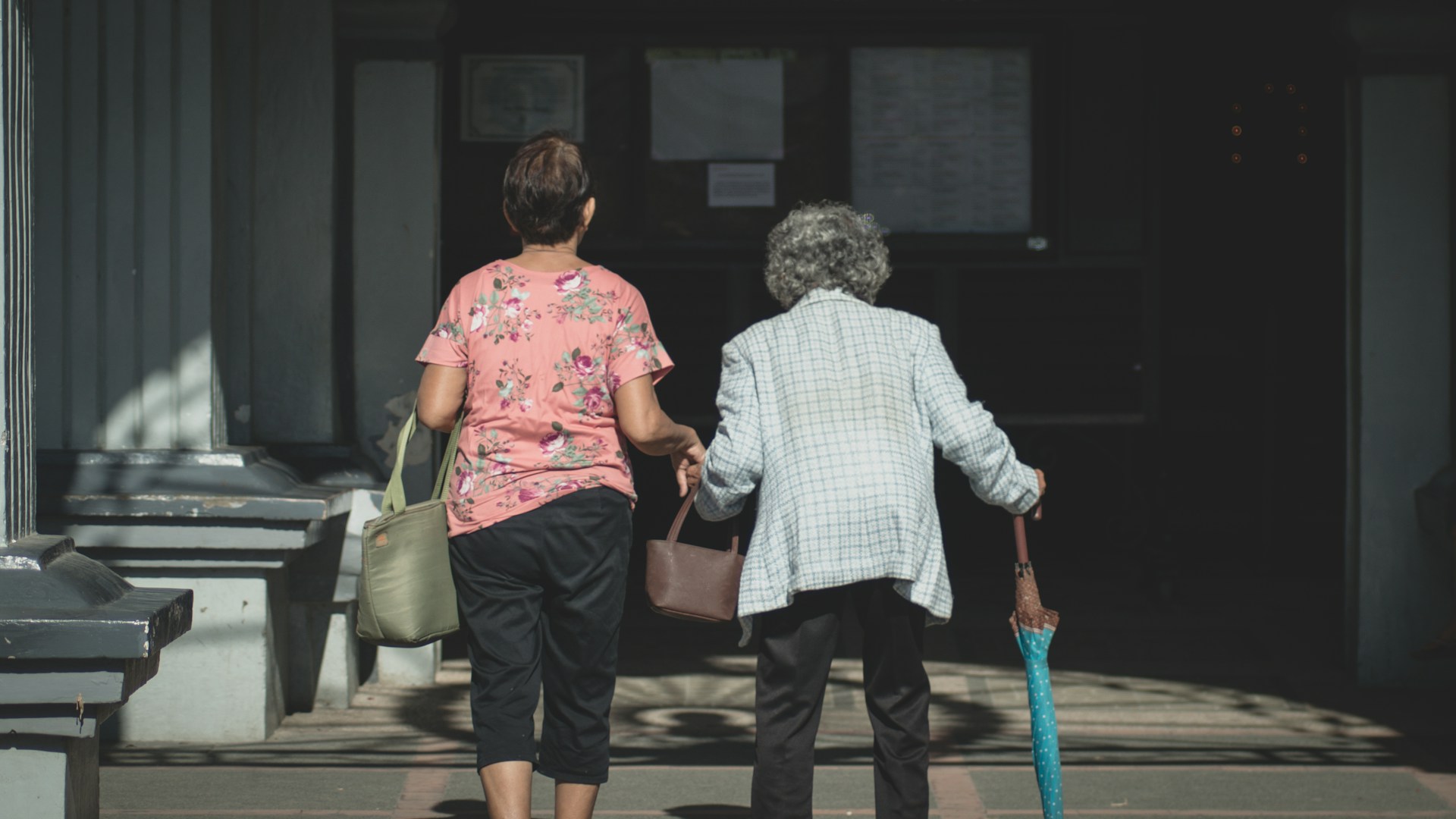
Staying Active in Winter for Older Adults
Johannesburg winters are cold enough to make anyone want to stay on the couch. For older adults in particular, the consequences of giving in to that impulse are significant.
The winter inactivity cycle
When you reduce your activity levels, muscle strength and cardiovascular fitness begin to decline relatively quickly. Fatigue sets in, balance and gait are affected, and fall risk increases. Stopping exercise in winter also tends to worsen arthritic joint pain, because reduced movement means the joint is not getting the synovial fluid circulation it needs.
Practical ways to keep moving
- Go for a brisk mid-morning walk in the winter sun. Johannesburg winters are sunny even when cold.
- Do ten sit-to-stands every time you get up from a chair. This targets the leg strength involved in balance and fall prevention.
- Do calf raises while waiting for the kettle to boil. Hold the counter for balance if needed.
- Do ankle circles while watching television to keep the ankle joint mobile.
- Get up and walk around the house every 30 to 40 minutes to avoid prolonged sitting.
Structured exercise makes compliance easier
Home exercises are a useful supplement, but they rely on self-motivation that tends to be lower in winter. A scheduled appointment or a balance class at the practice provides accountability and structure that makes it much easier to stay consistent through the colder months.
Read next
Falls Prevention for Older Adults: Why Exercise Is the Starting Point
Exercise and Healthy Ageing: Why Staying Active Is the Best Investment You Can Make
Need a hand?
Contact JW Bio at https://jwbio.co.za/contact or call 011 880 4719.