
Knee Replacement Recovery: Rehab in Johannesburg
You have made it through the surgery. Now comes the part that actually determines how well your new knee works in the long run: rehabilitation. A total knee replacement (TKR) can dramatically reduce pain and restore function, but the implant itself is only half the story. What you do in the weeks and months that follow has a direct bearing on how much strength you recover, how well you walk, and whether you get back to the activities you value.
This is what knee replacement rehabilitation looks like, and where a biokineticist fits into the picture.
What happens during a total knee replacement?
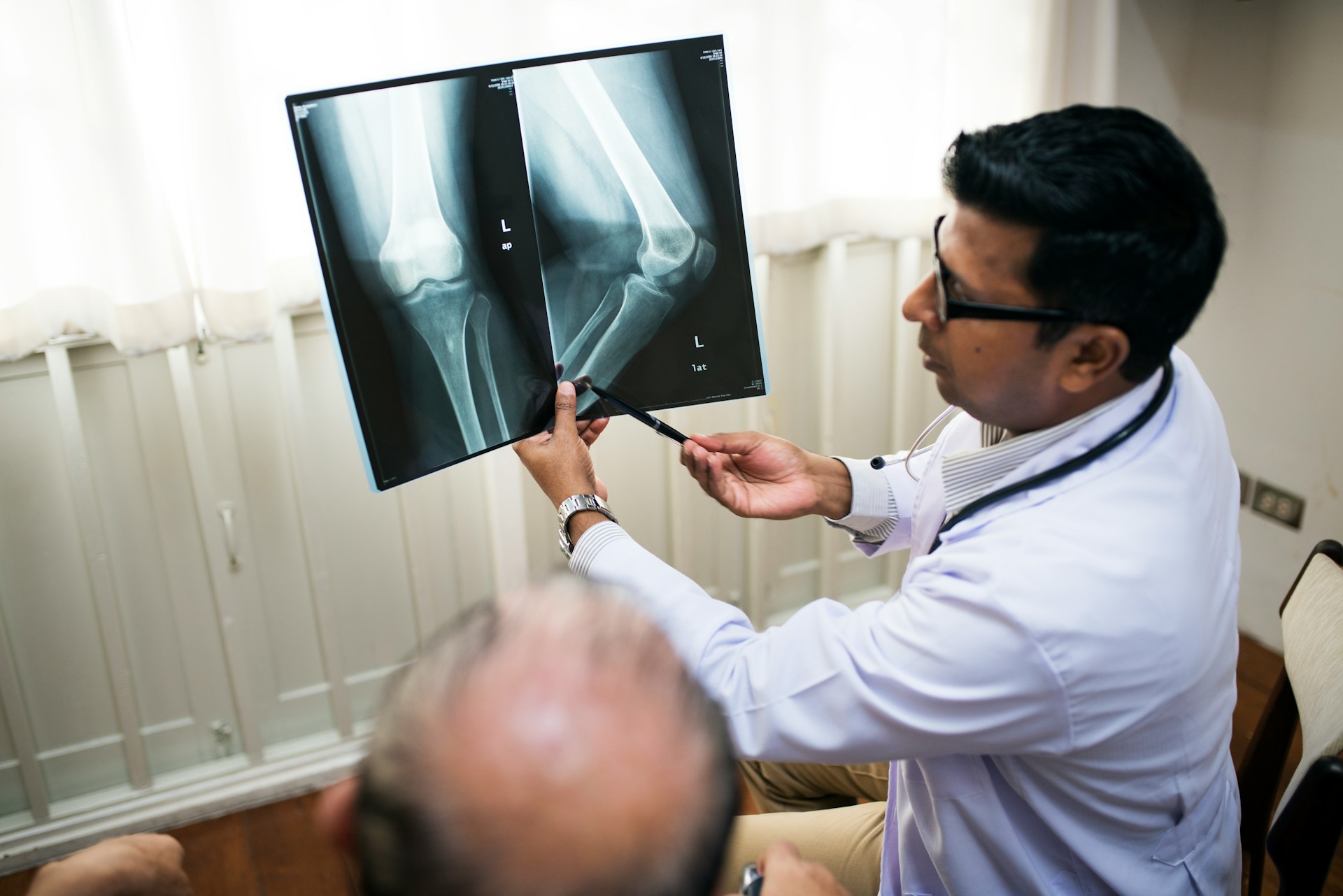
A total knee replacement replaces the damaged surfaces of the knee joint with metal and plastic components. The procedure is most commonly done for severe osteoarthritis, where cartilage has worn away and bone is grinding on bone. The surgery removes the compromised bone and cartilage from the lower end of the femur, the upper end of the tibia, and sometimes the back of the kneecap, replacing them with prosthetic components designed to recreate smooth joint movement.
The procedure typically takes one to two hours under epidural or general anaesthesia. Most patients spend two to five days in hospital, though same-day and next-day discharge protocols are becoming more common.
The first phase: hospital and early physiotherapy (weeks one to six)
Rehabilitation begins within hours of surgery. Hospital physiotherapists will get you standing and taking your first steps with a walker on day one or two. This early mobilisation is not optional, it is essential for reducing the risk of blood clots and preventing joint stiffness from setting in.
In the first four to six weeks, the focus is on:
- Reducing swelling and managing pain
- Regaining range of motion, particularly the ability to fully straighten and bend the knee
- Quadriceps activation, as these muscles often switch off temporarily after surgery
- Safe walking with appropriate support, progressing from a walker to a cane
- Managing the wound and preventing complications
Most patients are seen by a physiotherapist during this phase for hands-on treatment, joint mobilisation, and guided exercise. Ice and elevation remain important for swelling management throughout.
Phase two: where biokinetics comes in (months two to six)
Once the immediate post-operative phase has passed and wound healing is complete, many patients are referred to a biokineticist for the functional strengthening phase. This is where the real recovery work begins.
A biokineticist will assess your current strength, range of motion, gait pattern, and functional ability, then build an individualised exercise programme around what you actually need. The focus in this phase includes:
- Progressive quadriceps and hamstring strengthening
- Hip strengthening, particularly the glutes and hip abductors, which are critical for stable walking
- Balance and proprioception training, as the nerve endings around the new joint take time to recalibrate
- Gait normalisation, addressing any limp or compensatory patterns that have developed
- Functional movement training: stairs, slopes, rising from chairs, getting in and out of a car
- Gradual return to activities such as walking, cycling, swimming, and golf
Sessions are typically two to three times per week, with a home exercise programme to complement clinic work.
What recovery actually looks like
It is worth being realistic about what a full recovery involves. Most patients notice a significant reduction in pain relatively early, but strength recovery takes longer. Research consistently shows that quadriceps strength can remain meaningfully reduced for six to twelve months after a TKR, which is one reason why ongoing rehabilitation matters beyond the first few weeks.
A reasonable timeline to work towards:
- Week two to three: walking without assistance indoors, managing stairs with a rail
- Six weeks: most daily activities manageable, driving often permitted
- Three months: meaningful strength gains, returning to low-impact activities
- Six months: close to full function for most patients; ongoing strengthening continues
The goal of knee replacement rehabilitation is not just to get you walking again but to help you walk well, feel confident on your feet, and return to the life you had before the joint deteriorated.
Things that slow recovery down
A few factors commonly affect how quickly patients progress:
- Starting rehabilitation with low baseline strength
- Excessive swelling that limits range of motion
- Fear of loading the joint, which leads to protective movement patterns
- Inconsistent attendance at sessions or skipping the home programme
- Comorbidities such as obesity, diabetes, or cardiovascular conditions
None of these are insurmountable, but they need to be actively managed. A good biokineticist will adjust the programme accordingly and work at a pace that is both safe and progressive.
Read next
Hip Replacement Recovery: The Role of Exercise in Getting Your Life Back (https://jwbio.co.za/blog/hip-replacement-rehabilitation-johannesburg)
Rotator Cuff Injury: Why Rehabilitation Is as Important as the Diagnosis (https://jwbio.co.za/blog/shoulder-rehabilitation-johannesburg)
Need a hand?
If you are preparing for knee replacement surgery, have recently had one, or feel your recovery has plateaued, our team at JW Bio can help. We work with post-operative knee patients from our practice in Saxonwold, Johannesburg. Get in touch at https://jwbio.co.za/contact/ or call us on 011 880 4719 to book an assessment.