
Hip Replacement Recovery: Rehab in Johannesburg
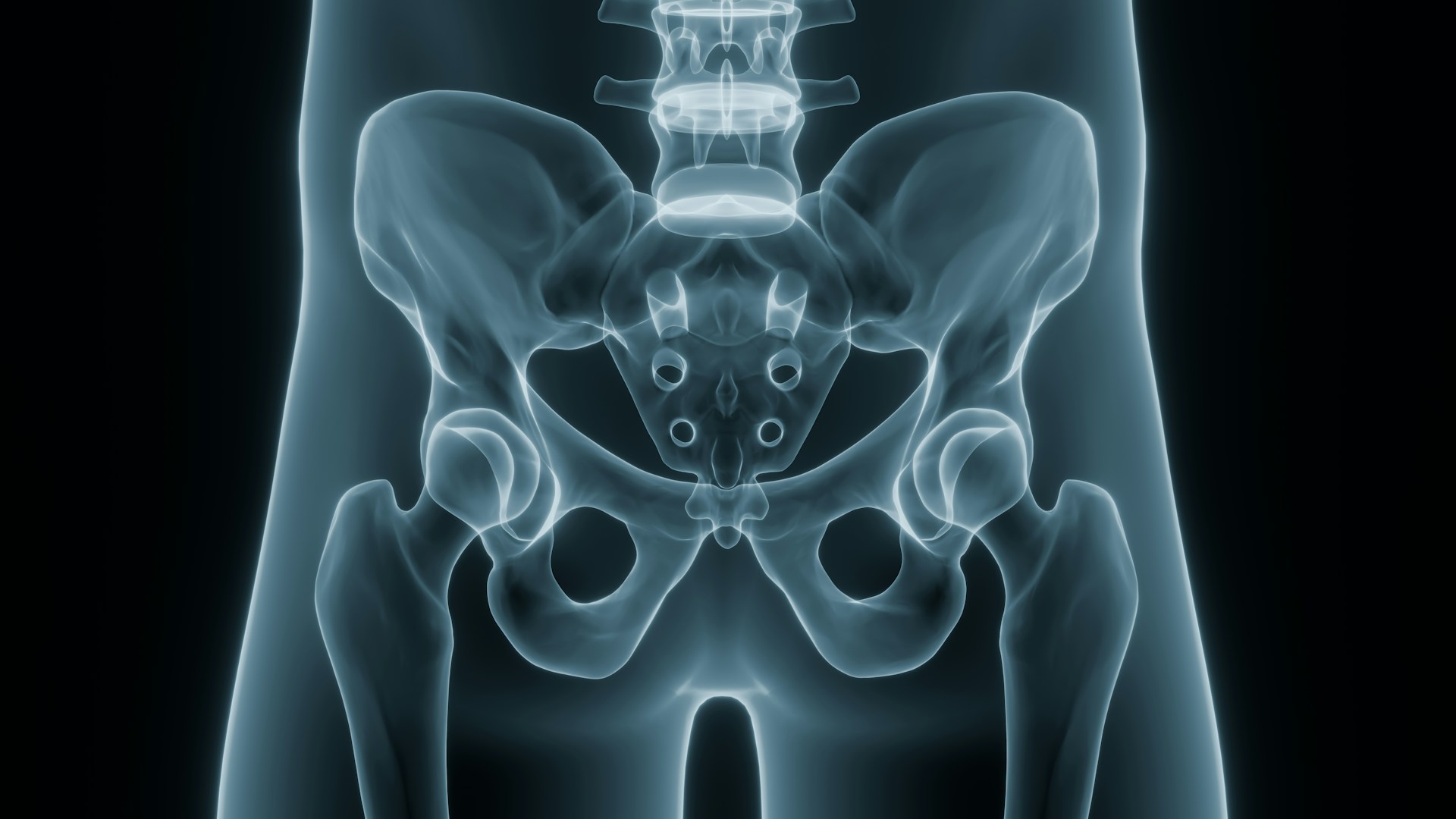
A total hip replacement changes the mechanics of how you move. The damaged ball-and-socket joint, worn down by arthritis or injury, is replaced with a prosthetic implant. For most patients, the outcome is transformative: years of grinding pain disappear. But the surgery itself is the beginning, not the end. What determines how fully you recover is what happens in rehabilitation.
Here is what hip replacement recovery involves, and the specific role exercise plays at each stage.
What the surgery involves
A total hip replacement (THR) removes the damaged head of the femur and the worn acetabular socket, replacing them with a metal stem inserted into the femur, a metal cup fitted into the acetabulum, and a smooth ball-and-liner interface in between. Most implants use a ceramic or metal ball on a polyethylene liner.
There are two main surgical approaches. The posterior approach (most common traditionally) involves cutting through the posterior hip capsule and short external rotator muscles. The anterior approach preserves these structures, accessing the joint from the front, and this typically means fewer early movement restrictions and a faster initial recovery. Your surgeon will advise which approach was used, as it affects the specific precautions you need to follow.
The early phase: precautions and protected mobility
In the first six weeks after surgery, the focus is on healing, preventing dislocation, and regaining basic mobility.
If you had a posterior approach, there are usually three precautions to observe:
- Do not bend the hip beyond 90 degrees (avoid low chairs, toilet seats, or picking things up from the floor)
- Do not cross one leg over the other
- Do not turn the operated leg inward
Anterior approach patients typically have fewer restrictions, though this varies by surgeon. Always follow your surgeon’s specific guidance.
Hospital physiotherapy begins immediately: you will be walking with a frame within 24 hours. Early goals include wound healing, swelling management, preventing blood clots, and regaining enough hip range of motion and strength to manage basic daily tasks safely at home.
The transition to biokinetics: months two to six
Once precautions are lifted and the wound has healed, the rehabilitation focus shifts to rebuilding strength and normalising movement. This is where most patients benefit from working with a biokineticist.
Hip replacement patients typically present with significant muscle weakness by the time they have surgery. Months or years of pain often mean they have been offloading the hip, leading to atrophy of the surrounding muscles. The surgery itself also temporarily disrupts muscle function. Research consistently shows that hip abductor strength, in particular, remains significantly reduced for six months or more after a THR if not actively addressed.
A biokineticist-led programme will target:
- Gluteus maximus strengthening: the primary hip extensor, essential for stair climbing, rising from chairs, and walking on slopes
- Gluteus medius and minimus (hip abductors): these muscles stabilise the pelvis during single-leg stance; weakness here causes a Trendelenburg gait or a visible drop to one side
- Core stability: the deep abdominals work with the hip muscles to control pelvic position
- Quadriceps and hamstring balance: knee control affects the whole lower limb kinetic chain
- Balance and proprioception: the sensory feedback around the new joint needs time to recalibrate
Sessions progress from basic non-weight-bearing exercises to standing work, functional movement training, and eventually return to activity.
Gait rehabilitation: more than just walking
One of the most important aspects of hip replacement rehabilitation is gait normalisation. Many patients develop compensatory walking patterns before surgery to avoid pain, and these patterns do not automatically disappear after the procedure. If the Trendelenburg pattern (hitching the pelvis on the opposite side with each step) is not corrected, it places abnormal load on the new joint and can contribute to chronic lower back pain.
A biokineticist assesses walking patterns and designs exercises that address the specific compensations present. This might include hip abductor strengthening in multiple planes, single-leg balance work, step-ups and step-downs, and treadmill walking with feedback.
Realistic recovery expectations
Most patients underestimate how long full recovery takes. A useful guide:
- Week two to six: walking with a cane, managing basic home tasks
- Six to twelve weeks: increasing independence, most precautions lifted
- Three to six months: meaningful strength gains, returning to leisure activities
- Six to twelve months: most patients reach their functional ceiling; some continue improving beyond that
Low-impact activities such as swimming, cycling, and golf are typically well tolerated and often recommended. High-impact activities (running, contact sports) are generally discouraged to protect the implant long-term.
Read next
Knee Replacement Recovery: What Happens After the Surgery (https://jwbio.co.za/blog/knee-replacement-rehabilitation-johannesburg)
Poor Posture and Chronic Pain: How They Are Connected and What You Can Do (https://jwbio.co.za/blog/postural-correction-johannesburg)
Need a hand?
If you are recovering from a hip replacement in Johannesburg, our team at JW Bio specialises in post-operative orthopaedic rehabilitation. We will work with you from the early strengthening phase through to return to activity. Book an assessment at https://jwbio.co.za/contact/ or call 011 880 4719.