
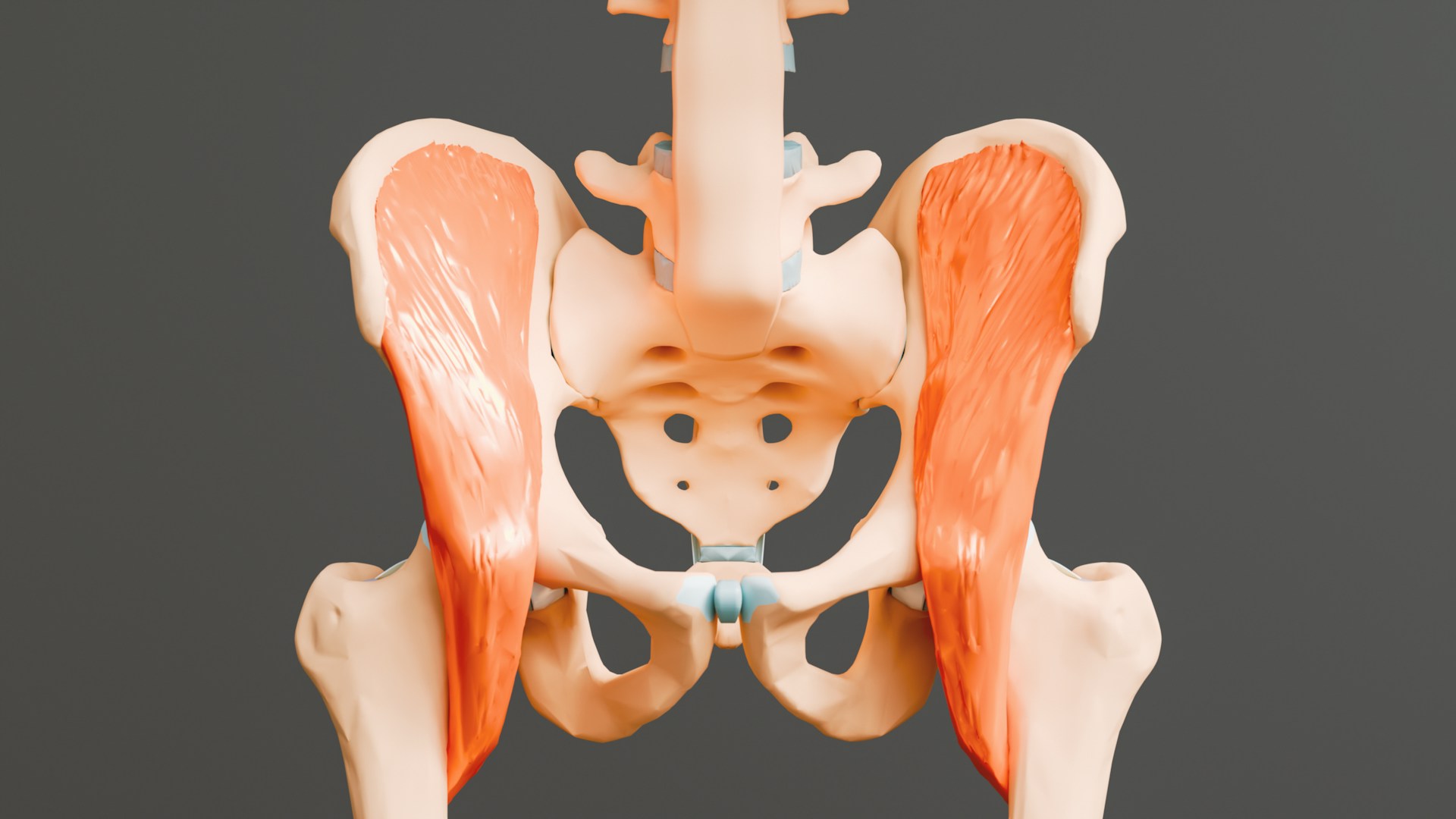
Hip Fractures and Fall Prevention
A hip fracture is not just a broken bone. In older adults, it is one of the most serious medical events a person can experience, with consequences that extend far beyond the fracture itself. Understanding what a hip fracture means, and why preventing the fall that causes it matters so much, is important context for anyone involved in the care of an older adult.
The statistics are stark
South African data shows a 13 percent mortality rate within 30 days of a hip fracture, rising to 33.5 percent at 12 months. These are not outliers: they reflect a consistent pattern seen in research across multiple countries. Hip fractures kill roughly one in three older adults within a year of the injury.
Survival, however, does not mean full recovery. Globally, only 50 to 60 percent of hip fracture patients regain independent walking by six months post-fracture. Many who were living independently before the fracture require institutional care afterwards. The hip fracture, in many cases, is the event that permanently changes the trajectory of a person’s independence and quality of life.
Why hip fractures are so much more serious in older adults
In a younger person, a hip fracture is a serious injury that typically resolves with surgery and rehabilitation over a period of months. In an older adult, the same injury is compounded by several factors. Pre-existing muscle weakness and reduced bone density mean the fracture is more severe and healing is slower. The surgery required to repair the fracture carries higher anaesthetic and operative risk in older, frailer patients. Immobility during recovery leads to rapid deconditioning, pressure injuries, deep vein thrombosis, and pneumonia. Cognitively, the disruption of hospitalisation and pain can trigger or worsen delirium and dementia.
The role of biokinetics in recovery
After hip fracture surgery, rehabilitation typically begins in the acute hospital setting with physiotherapy focused on mobility and safe weight-bearing. Once medically stable and discharged, the longer-term rehabilitation work begins. This is where a biokineticist is most valuable.
Biokinetics in post-hip-fracture rehabilitation focuses on rebuilding the strength of the hip abductors, gluteal muscles, and quadriceps that were weakened by the fracture, surgery, and recovery period. It also addresses gait normalisation, because the altered walking pattern that develops after a hip fracture, to protect the injured side, often persists and creates secondary problems in the knee, lower back, and opposite hip if not corrected. Balance training is reintroduced progressively as strength returns.
Prevention is incomparably better than recovery
Everything described above makes the case for fall prevention more clearly than any abstract argument could. A consistent falls prevention programme, including balance training, strength work, medication review, home safety assessment, and vision care, is the most powerful intervention available for avoiding this outcome. The work is ongoing, it requires commitment, and it is absolutely worth it.
Read next
Falls Prevention for Older Adults: Why Exercise Is the Starting Point
Balance Training for Older Adults: What It Is and Why It Works
Need a hand?
Contact JW Bio at https://jwbio.co.za/contact or call 011 880 4719.