
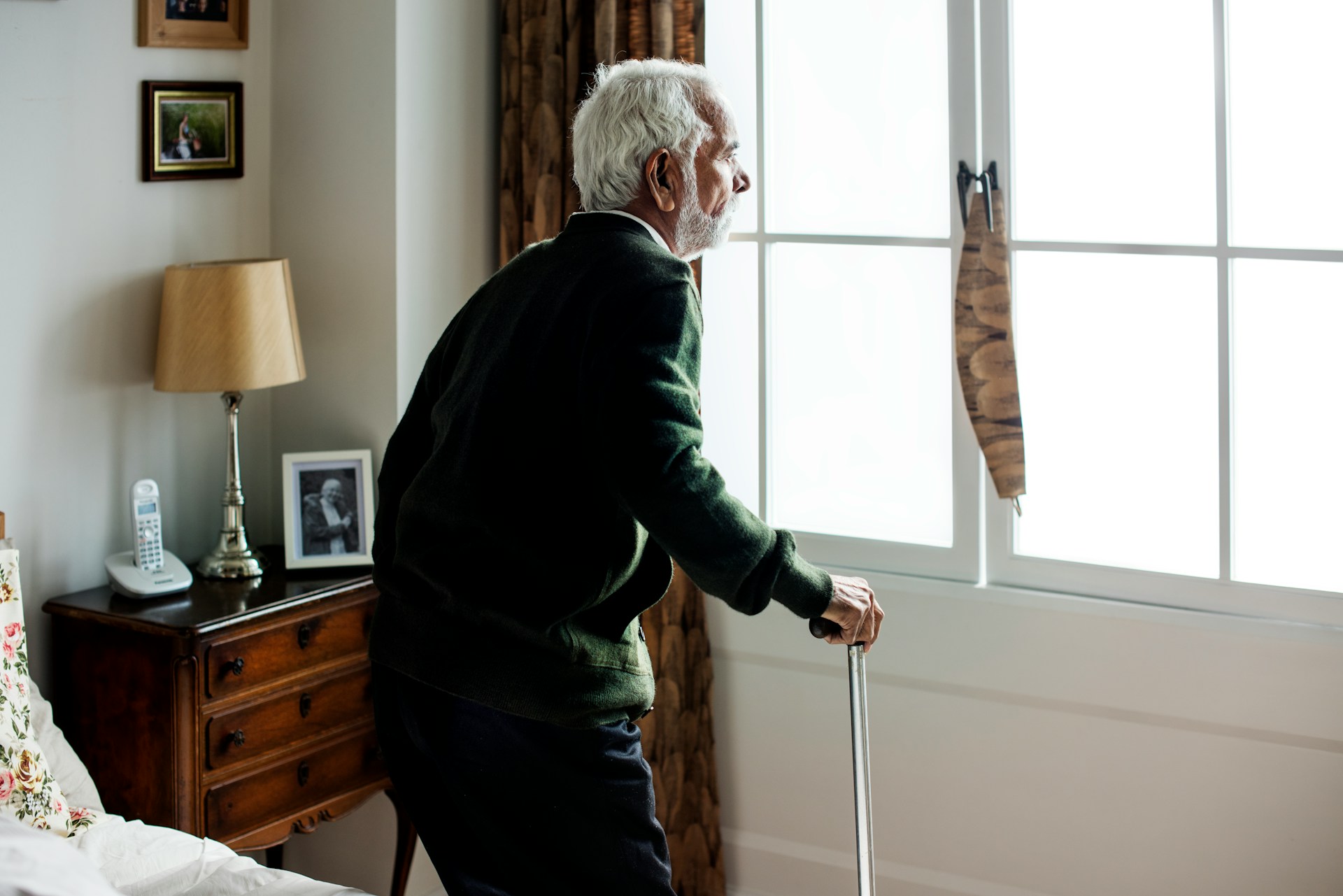
Fear of Falling in the Elderly: How to Break the Cycle
Fear of falling is not just a psychological discomfort. It is a clinical condition with measurable physical consequences, and it affects a significant proportion of older adults, including many who have never had a fall. Research shows that fear of falling is an independent predictor of future falls, even when no fall has occurred.
The vicious cycle
The cycle works like this. An older adult experiences a fall, or witnesses one, or becomes increasingly anxious about the possibility. They begin to restrict their activity to reduce the perceived risk. They stop walking as far, avoid stairs, decline social invitations, and move more cautiously and slowly. As activity reduces, so does muscle strength and balance. Weaker muscles and poorer balance mean their actual fall risk increases. The fear, in trying to prevent a fall, has made a fall more likely.
Research published in BMC Geriatrics confirms that fear of falling limits activity in older adults as much as having experienced multiple falls. The psychological response to the possibility of falling can be as disabling as the physical consequences of falling itself.
The physical consequences of activity restriction
When a person significantly reduces their activity, the physical consequences accumulate quickly. Muscle strength declines, particularly in the legs. Balance and coordination deteriorate with disuse. Gait slows, step length shortens, and the ability to take a fast, effective recovery step when stumbling is reduced. Bone density declines more rapidly. All of these changes increase the very risk that the person was trying to avoid.
How exercise breaks the cycle
A structured exercise programme, designed and supervised by a biokineticist, addresses the physical side of the cycle directly. As leg strength improves and balance training progresses, the patient becomes genuinely more stable. As they become more stable, their confidence increases. As their confidence increases, their willingness to be active increases. Activity maintains and builds the strength and balance gains, and the cycle reverses.
The programme is graduated carefully. Starting with seated exercises or exercises next to a stable support, and gradually progressing to more challenging balance work, allows patients to build confidence alongside capability. Rushing the progression undermines both.
Addressing the psychological component
The physical programme addresses the physical contributors to fear of falling, but the psychological component may need additional support. For some patients, a referral to a psychologist or counsellor familiar with older adult health is appropriate. Cognitive behavioural approaches to anxiety have been shown to be effective in reducing fear of falling and increasing activity levels.
Joining a small group balance class can also help. Being in a room with other people who are working through similar challenges, and seeing them progress, normalises the experience and provides a supportive social context for what can feel like an isolating problem.
Read next
Balance Training for Older Adults: What It Is and Why It Works
Falls Prevention for Older Adults: Why Exercise Is the Starting Point
Need a hand?
Contact JW Bio at https://jwbio.co.za/contact or call 011 880 4719.