
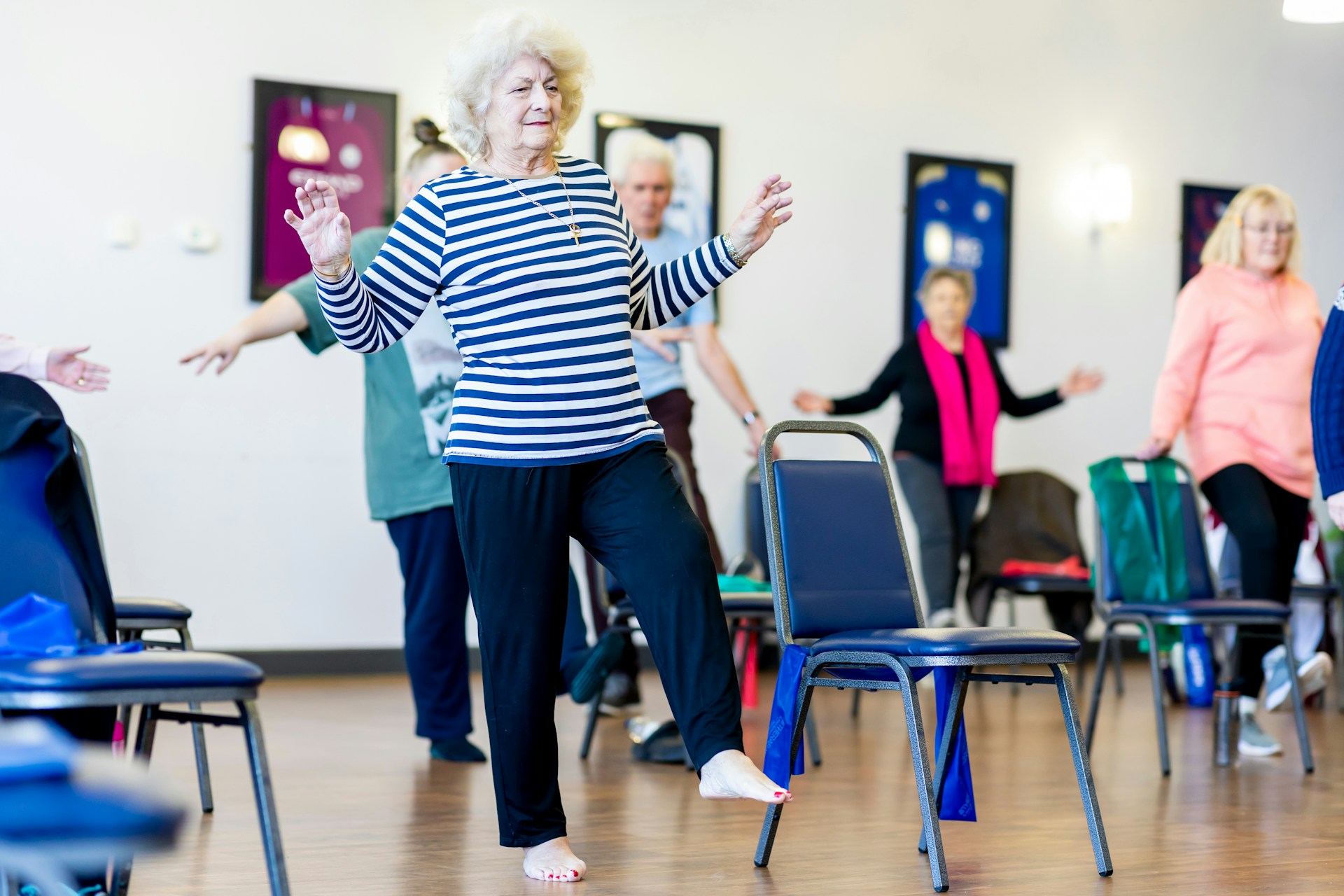
Exercise for Older Adults Johannesburg
If there were a single intervention that reduced the risk of falls, slowed the progression of chronic disease, improved mental health, and helped older adults maintain their independence, surely it would be one of the most widely prescribed treatments in medicine? That intervention is regular exercise, and it is available to almost everyone.
What ageing does to the body without exercise
From around the age of 30, we begin to lose muscle mass at roughly 3 to 5 percent per decade if we are inactive. By our sixties and seventies, cumulative muscle loss can be severe enough to affect basic functional tasks. Bone density, cardiovascular fitness, flexibility, and balance all diminish with inactivity.
What exercise does
Resistance training preserves and rebuilds muscle mass at any age. Aerobic exercise maintains cardiovascular function. Balance work directly reduces fall risk. Research also shows that exercise reduces symptoms of depression and anxiety, improves sleep quality, and supports cognitive function.
The chronic disease angle
Regular exercise reduces the risk of developing type 2 diabetes, cardiovascular disease, osteoporosis, and certain cancers. For patients who already have these conditions, exercise reduces their severity and sometimes supports a reduction in medication dosage under medical supervision.
How much exercise do you actually need?
At least 150 minutes of moderate-intensity aerobic activity per week, plus two or more resistance training sessions, plus regular balance and flexibility work. The most important principle: some exercise is always better than none. Start small and build gradually.
Why individualised guidance matters
Older adults often have complex medical histories, previous injuries, or balance issues that make certain exercises inappropriate and others especially important. A biokineticist assesses your specific situation and prescribes a programme that is safe, effective, and targeted to your actual needs.
Read next
Falls Prevention for Older Adults: Why Exercise Is the Starting Point
How Exercise Supports Mental Wellbeing in Older Adults
Need a hand?
Contact JW Bio at https://jwbio.co.za/contact or call 011 880 4719.